منقذ داغر

بعد سنين من محاولة النأي بنفسها عن السياسة، بعد الفشل والإحباط الذي أصاب العراقيين عموماً ومقلديها خصوصاً بسبب إخفاق العملية السياسية التي (رعتها) بعد   عام   2003 مباشرةً، عادت مرجعية النجف العليا لتمارس أسلوب (الرعاية) و(التوجيه)من خلال حدثين كبيرين لهما مدلولاتهما السياسية والأمنية المباشرة وخلال أقل من ثلاث أيام في الأسبوع المنصرم.

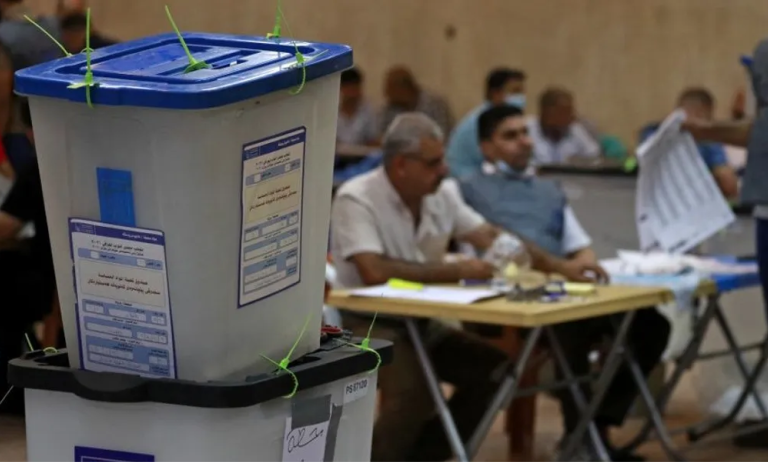
يتمثل الحدث الأول في استجابة المرجعية لنداءات سياسية محلية ودولية لإصدار توجيه تحث العراقيين، وتحديداً اتباعها، على التصويت للانتخابات وأحداث ما أسمته “تغيير حقيقي في أدارة الدولة وأبعاد الأيادي الفاسدة”. كما حثت مقلديها” العبور بالبلد الى مستقبل أفضل…وتفادي خطر الوقوع في مهاوي الفوضى والانسداد السياسي”. نحن اذاً إزاء نص سياسي بامتياز لا يتحدث عن الانتخابات فحسب، بل ينتقد العملية السياسية ويحث العراقيين على التغيير (الحقيقي لا الشكلي)، ليس في الحكومة، بل في الدولة التي تعاني من تحكم الفساد في (مفاصلها).

لقد جاء نداء المرجعية الواضح والقوي ليستجيب لمخاوف الحكومة وكثير من القوى الراغبة بالتغيير محلياً ودولياً لتجنب المخاطر المحتملة من استثمار القوى السياسية الراهنة لمعدل المشاركة المنخفض المتوقع في انتخابات 10 أكتوبر الحالي لتعزيز هيمنتها على المشهد السياسي وبالتالي حصول ما أسمته المرجعية (الانسداد السياسي) لان من المحتمل جداً أن تثور قوى تشرين مجدداً بعد ظهور نتائج الانتخابات. إن ما يعزز هذه المخاوف أن كل الاستطلاعات التي أجريت لحد الآن توقعت معدلات مشاركة منخفضة بخاصة في مناطق انتفاضة تشرين.

أما الحدث الثاني، والذي سبق هذا الحدث بيومين فتمثل في الإعلان الرسمي عن إطلاق تسمية حشد العتبات المقدسة على الفصائل المسلحة الأربعة التي أعلنت في نيسان 2020 انفصالها عن الحشد الشعبي العراقي. وفي اعتقادي أن تداعيات ورمزية هذا الحدث قد تفوق في دلالاتها ونتائجها الحدث الأول وتمثل نقطة فارقة في المسيرة السياسية للعراق بعد 2003. صحيح أن هذه الفصائل المسلحة الأربعة، المتمثّلة بفرقتَيْ الإمام علي والعبّاس ولوائَيْ علي الأكبر وأنصار المرجعيّة، كانت عملياً تتبع العتبات المقدسة في النجف منذ تشكيلها بعد احتلال داعش للموصل وصحيح أنها انفصلت رسمياً عن تنظيم الحشد الشعبي المؤسسي وصارت ترتبط بالقائد العام للقوات المسلحة(رئيس الوزراء) منذ نيسان 2020، إلا أن إعلان  قائد قوات فرقة الأمام العباس القتالية ميثم الزيدي من كربلاء في الأسبوع الماضي عن تبني تسمية حشد العتبات المقدسة رسمياً له دلالات زمانية ومكانية وموضوعية ربما تغير الكثير من موازين القوة على الأرض.

رمزية حشد العتبات المقدسة

ويشمل هذا الحدث عدة طبقات من الرمزية، وأولها الرمزية المكانية، فقد جاء إعلان الزيدي من كربلاء المقدسة، ومن على منبر ضريح العباس الذي يمثل أحد أقدس الأماكن عند الشيعة في العالم عموماً وعند العراقيين خصوصاً. وهناك أيضا الرمزية الزمانية حيث فقد جاء هذا الإعلان في ختام زيارة الأربعين المقدسة وبعد أن نجحت هذه الفصائل وبالتعاون مع القوات المسلحة العراقية على حفظ الأمن لملايين الزوار الذين أمّوا كربلاء من داخل وخارج العراق.

كما أن هذا الإعلان جاء بعد يومين فقط على تصريح فالح الفياض رئيس هيئة الحشد الشعبي بأنه” لا يوجد هناك ما يسمى بحشد العتبات، وأن هيئة الحشد الشعبي واحدة”. كما أن الإعلان جاء قبل أيام من موعد الانتخابات البرلمانية العراقية وهنا يبدو الربط واضحاً بين هذا الإعلان ومقررات المؤتمر الأول لحشد العتبات الذي عُقد في النجف في بداية شهر ديسمبر من العام الماضي والذي لم يكتفِ بمنع مقاتلي هذه الوحدات من الانخراط في العمل السياسي كما نص على ذلك الدستور، بل منعهم أيضا من الترشيح للانتخابات، في تناقض ومخالفة واضحتين لسلوك فصائل الحشد الشعبي ورئيسها الذين خالفوا الدستور بالاشتراك في الانتخابات الحالية كمرشحين.

هناك أيضا الرمزية الموضوعية والدلالية، حيث إن اختيار تسمية “حشد العتبات المقدسة” لم يأت اعتباطاً بخاصة وأن الاسم المتداول لهذه الوحدات المسلحة كان “حشد المرجعية”. فمن جهة كان الدفاع عن العتبات المقدسة التي هددتها داعش عندما واصلت زحفها في حزيران 2014 باتجاه سامراء وبغداد وحتى كربلاء، هو أحد اهم الدوافع التي تداعى من أجلها شباب الشيعة في العراق للتطوع لمقاتلة داعش والدفاع عن العراق عموما والمقدسات خصوصاً. ومن جهة أخرى فأن العتبات المقدسة في العراق كانت وما زالت تحتل مكانة خاصة في الوجدان العراقي عموماً والشيعي خصوصاً، لذلك فان الإدارة الدينية لهذه المراقد المقدسة كانت تتم بإشراف مرجعية النجف. صحيح أن العتبات المقدسة ترتبط أدارياً بديوان الوقف الشيعي إلا أن الإشراف الديني واللوجستي هومن نصيب مرجعية النجف.

لذا فأن التسمية هذه تشير بوضوح الى مدى الارتباط بمرجعية النجف، لكنها تتجنب في ذات الوقت الإحراج الذي لربما تسببه التسمية المتداولة (حشد المرجعية) كون النجف أكدت مراراً أنها لم تدعو اساساً لتشكيل أي قوات وإنما دعت في فتوى الجهاد الكفائي بعد احتلال داعش للموصل وأجزاء أخرى للتطوع للدفاع عن العراق. فهذه التسمية الجديدة تعطي للنجف فسحة أكبر للمناورة وتجنب التدخل المباشر في السياسة وهو أهم ما يميز مرجعية النجف للشيعة مقارنة بمرجعية قم.

الدلالات والتداعيات الموضوعية

لم تكن رغبة الفصائل الأربعة (حشد العتبات المقدسة) في تأكيد اختلافها وانفصالها عن الحشد الشعبي وليدة اليوم، بل تعود لبدايات تشكيل الحشد الشعبي في نوفمبر 2016، ويعود الخلاف اساساً الى المرجعية الروحية التي تتبعها الفصائل المختلفة المنضوية تحت مسمى الحشد الشعبي. فبعيداً عن القوى السنية والمسيحية ضمن الحشد الشعبي تنقسم ولاءات قادة فصائل الحشد الشعبي الشيعية الى أغلبية تتبع المرشد الإيراني الأعلى في قم، وأقلية تتبع آية الله السيستاني. وكان من الغريب حقاً أن غالبية قادة الحشد الشعبي الذي تشكل -كما يدعي القائمين عليه بفتوى السيستاني- وبخاصة المؤثرين منهم يتبعون مرجعية السيد الخامنئي بدلا من مرجعية السيستاني. والمفارقة الأخرى أن غالبية المقاتلين الشيعة في الحشد، بل غالبية الشيعة في العالم وفي العراق تتبع مرجعية السيد السيستاني، ومع ذلك فأن غالبية قادة الحشد هم من اتباع مرجعية قم!

ولو كان اختلاف مرجعية قادة الحشد يتعلق بالمسألة الدينية الروحية التعبدية فحسب لهانت الأمور، لكن الاختلاف أعمق من ذلك بكثير، بل هو حتى أبعد من المنافسة التاريخية التقليدية بين مرجعيتي النجف وقم، فهو يرتبط بأصل فكرة حمل السلاح خارج إطار الدولة. فمرجعية النجف تتجنب تقليدياً وتاريخياً التدخل في شؤون الحكم وتبتعد عن فكرة الدين العابر للوطنية. من هنا نفهم الهجوم الشديد الذي شنه السيد الياسري معتمد المرجعية وقائد لواء أنصار المرجعية في شهر آب الماضي على الفصائل المسلحة الموالية لإيران حين قال إن «من يوالي غير الوطن؛ فإنها خيانة عظمى. إنه دجل عظيم وخداع كبير، هكذا تعلمنا من الإمام الحسين…. أما أن يأتينا الصوت والتوجيه والإرشاد من خلف الحدود، فهذه ليست عقيدة الحسين. نحن نرفض الانتماء والولاءات، ونعلن بأعلى أصواتنا وبلا خوف أو تردد، أن من يوالي غير هذا الوطن، فهو خائن “!!

أما مرجعية قم فلأنها تتبنى مشروع ولاية الفقيه المرفوض من مرجعية النجف، ولأنها لازالت تؤمن بمبدأ تصدير الثورة الإسلامية الإيرانية فهي تؤمن بالدين العابر لحدود الأوطان. عليه فأن الفصائل المسلحة العراقية الموالية لها لا ينتهي قتالها بطرد داعش ولا بحماية العتبات المقدسة، وأنماء هي تقاتل باسم الدين والمذهب أينما وجهها مرشد الثورة الإسلامية سواء في العراق، أو سوريا، أو لبنان، أو اليمن، أو أفغانستان! وهذا من وجهة نظر قادة حشد العتبات المقدسة مخالفة واضحة للتكليف الشرعي الديني من جهة وللدستور العراقي الذي يمنع إرسال أي قوات مسلحة عراقية خارج الحدود من جهة أخرى. لذلك صرح السيد الزيدي من على المنبر العباسي الأسبوع الماضي ” أن هذا الاسم وهذا الشعار وهذا الوشاح التي توشحت به التشكيلات الأربعة …هو الوشاح الشرعي والقانوني.. فالجانب الشرعي واضح للجميع من ناحية ارتباط هذه القوات الشرعية بالمرجعية، إما القانوني فاكتسبه حشد العتبات من رضا وقبول ودعم القائد العام للقوات المسلحة العراقية”.

أن تسمية حشد العتبات المقدسة يشير الى أن تلك العتبات باتت محمية لا بقوات الأمن العراقية فحسب، بل بالفصائل المسلحة التابعة لمرجعية النجف، وبالتالي تنتفي الحاجة الى الفصائل المسلحة الأخرى التي يفترض أنها تشكلت لدحر داعش-وقد دُحرت- ولحماية العتبات المقدسة من أي تهديد أمنى مستقبلي بخاصة خلال مواسم الزيارات المقدسة المختلفة كما حصل في زيارة الأربعين. ومما يعزز من وضوح هذه الرسالة ما ذكره.

 ومما يعزز من شدة رسالة حشد العتبات المقدسة أنها تمتلك قدرات قتالية متفوقة تضم قوات مدرعة أيضا، وأن التأييد المعروف لقوات سرايا السلام التابعة للسيد مقتدى الصدر لحشد العتبات المقدسة، لا يجعل ميزان القوة بيد الفصائل المسلحة الأخرى. لا بل أن من المتوقع جداً انضمام فصائل أخرى لحشد العتبات المقدسة مما يضعف كثيرا من المشروعية القانونية والشرعية وحتى العسكرية للفصائل المسلحة الأخرى.

والخلاصة فأن مرجعية النجف على ما يبدو، قررت أن تلقي بثقلها الروحي والمعنوي والمادي لاستعادة الدولة ومنع تكرار الانموذج الثوري الإيراني أو حتى تقليد الانموذج اللبناني في العراق. وهي تدرك على ما يبدو أن الصبر الذي التزمت به لسنين، والتعويل على الثقل المعنوي والتوجيه عبر خطب الجمعة لم يمنع إيران من أن تتمدد داخل جسد الدولة العراقية بالشكل الذي رفضته علناً قوى الشباب الذي انتفض في المناطق الجنوبية في تشرين 2019 والذي على ما يبدو مستعد لإعادة تفعيل الانتفاضة وبشكل اقوى إذا لم يحدث تغيير حقيقي وأستمر الوضع على ما هو عليه الآن. وبغض النظر عن الرأي في مدى تقبل أو رفض التدخل الديني في شؤون الحكم في العراق إلا أن من المتوقع أن تؤدي هذه التغييرات الأخيرة الى تغيير قواعد اللعبة السياسية في العراق.
Munqith Dagher

For years, the Supreme Marjaiyya of Najaf has been attempting to distance itself from politics amid the sense of failure and frustration that has afflicted the Iraqi people in general, and its followers in particular, due to the disastrous political process it sponsored” immediately after 2003. Now, however, it looks to be reassuming its role of caretaking” and guidance,” as indicated by two major events of direct political and security significance that occurred within the span of nearly three days last week.

The first was when the Marjaiyya heeded local and international political calls and issued guidance urging Iraqis, and specifically its followers, to vote in the elections. In its address, it called for real change in state management and to keep corrupt hands out of the government.” It also urged its followers to transcend national borders for a better future…and avoid the danger of falling into pits of chaos and political stalemate.” We thus have a political text par excellence that not only talks about elections, but also criticizes the political process. It urges Iraqis towards change (real, not figurative), not only in the government, but also in the state that suffers from the rule of corruption right down to the bone.

The Marjaiyyas clear and powerful call comes as a response to the governments concerns, as well as to many of the forces wishing for local and international change. It was a response to avoid the potential risks stemming from the current political forces betting on expected low rates of participation in the upcoming October 10 elections to reinforce their dominance over the political scene. This would lead to what the Marjaiyya calls political stalemate,” as it is very likely that the Tishreen Movements forces will revolt after the election results are tallied. What further heightens these concerns is that every poll conducted up until now predicts low rates of participation, especially in Tishreen Uprising hotspots.

The second event, which occurred only two days ago, was the formal announcement by the Holy Shrine Units, or Atabat, four armed factions formed back in April 2020, declaring their separation from the Iraqi Popular Mobilization Forces (PMF). Given the significance of the announcement and its likely aftermath, the symbolism and reverberations of this event may surpass those of the call for Iraqis to participate in elections, and mark a milestone in Iraqs post-2003 political trajectory. These four militias—which include Liwa Ansar al-Marjaiyya, Liwa Ali al-Akbar, Firqat al-Abbas al-Qitaliyah, and Firqat al-Imam Ali al-Qitaliyah—have been effectively attached to the holy shrines in Najaf since their formation after ISISs occupation of Mosul. The groups had formally split from the institutional PMF organization and became associated with the Commander-in-Chief of the Armed Forces (the Prime Minister) in April 2020. However, the recent announcement made by the leader of the Firqat al-Imam Ali al-Qitaliyah, Maytham Al-Zaidi, in Karbala last week about the official adoption of the name Holy Shrine Units” is significant in terms of its location, timing, and subject matter, all of which may overturn the current balance of power.

Symbolism of the HSU

There are several layers of symbolism in this event, with the first being location: Al-Zaidi made his announcement from Karbala at the Al-Abbas Shrine, which is one of the holiest sites for Shiites in the world in general and for Iraqis in particular. No less key is the timing: this announcement was made at the conclusion of the Arba’een pilgrimage, after these factions, in cooperation with the Iraqi Armed Forces, succeeded in maintaining the security of millions of pilgrims who flocked to Karbala from within Iraq and abroad in one of the largest annual pilgrimages in the world.

 The announcement also came only two days after PMF Chairman Falih Al-Fayyadh stated that “there are no HSU ; the PMF is one,” and some days before the date of the Iraqi parliamentary elections. Thus, the connection seems clear between this announcement and resolutions of the first Atabat conference held in Najaf at the beginning of last December. Not only did this conference ban Atabat fighters from involving themselves in political work, as stipulated in the nation’s current constitution, but it also forbade them from candidacy in the elections. This is in stark contrast to the behavior of the PMF and their leaders, who violated the constitution by running as candidates in the elections.

The framing of the announcement itself is likewise significant. The name “Holy Shrine Units” was not selected at random, especially since the street name for these armed units had been “Marja’iyya Units.” Defending the holy shrines and sites from ISIS’s threats during its continuous advance towards Samarra, Baghdad, and Karbala in June 2014 was one of the motives driving young Shia men to volunteer and fight ISIS, in addition to defending Iraq in general. Iraq’s holy shrines still hold a special place in the hearts of Iraqis in general and Shiites in particular. For this reason, the religious management of these sacred mausoleums was overseen by the Marja’iyya of Najaf. Though the holy shrines are administratively connected with the government office of the Shia Endowment Diwan, their religious and logistical management fall under the Marja’iyya of Najaf.

By choosing a new name, these factions aim to avoid the embarrassment that the common moniker “Marja’iyya Units” might cause, as Najaf has repeatedly stressed that it had not originally called for the formation of any forces. Rather, in the fatwa on “Sufficiency Jihad” after ISIS’s occupation of Mosul, among other events, the Marja’iyya called for volunteers to defend Iraq. Thus, this new name gives Najaf greater room to maneuver and avoid directly intervening in politics, the most important distinction between the Shia Marja’iyyas of Najaf and those in Qom.

Substantial Implications and Repercussions

The attempt by the four factions representing the HSU to stress their difference and separation from the PMF is due to current events. In fact, this desire goes back to the early days of the PMFs formation in November 2016. The essential difference between the two lies in the split between the spiritual Marjaiyya to which the various member factions of the PMF adhere. As opposed to the Sunni or Christian forces within the PMF, the loyalties of the PMF faction leadership were split in 2016, with the majority of them following the Supreme Leader of Iran in Qom and the minority following Ayatollah Sistani. Even then, it was truly bizarre that the majority of PMF leaders, especially the most influential of them, claim to follow the Marjaiyya of Khamenei instead of Sistani, as it was the latter whose fatwa originally brought their forces into existence. The other paradox is that a majority of the Shia PMF fighters—along with majority of Shia both in Iraq and globally—follow the Marjaiyya of Sistani, in contrast to the majority of PMF leaders who follow the Marjaiyya of Qom.

Were the difference in the PMF leaders’  Marjaiyya was merely related to religious, spiritual, and devotional issues, then the matter could end there. However, the divide is much deeper than that, and goes beyond the traditional and historical competition between the Marjaiyyas of Najaf and Qom. Rather, at its heart, the divide is related to the idea of bearing arms outside the scope of the state. The Marjaiyya of Najaf has historically and traditionally avoided interfering in matters of governance and eschewed the idea of transnational religion. In this way, we can understand the harsh criticism leveled at pro-Iran armed factions last August by Mr. Yasseri, representative of the Marjaiyya and leader of the Liwa Ansar al-Marjaiyya, who said:

Those loyal to anyone other than the nation are committing a grievous treason. It is a grand deception and trick. We have learned the same from the example of Imam Hussein… That the voice, guidance, or direction would come to us from beyond our borders is not the creed of Hussein. Rather, we reject affiliation and allegiances. We declare as loudly as possible, without fear or hesitation, that he who is loyal to another nation is a traitor!”

As the Marjaiyya of Qom is based upon the Guardianship of the Islamic Jurist (vilayat-e faqih) rejected by the Marjaiyya of Najaf, it still believes in the principle of exporting the Iranian Islamic Revolution, and thus believes in transnational religion. Accordingly, for the Iraqi armed factions sympathetic to it, the fighting does not end with the expulsion of ISIS, nor with the protection of the holy shrines. Rather, they will fight in the name of the religion and sect wherever the Supreme Leader of the Islamic Revolution sends them, whether in Iraq, Syria, Lebanon, Yemen, or Afghanistan. From the viewpoint of the HSU leaders, this is a clear violation of their religious mandate on one hand, and of the Iraqi constitution one the other, which forbids sending any armed Iraqi forces abroad. Thus, Al-Zaidi stated last week from the Al-Abbas Shrines pulpit:

This name, slogan, and sashes that these four groups wear… are lawful and in accord with the Sharia. The lawful aspect is clear to everyone in terms of their connection to the Marjaiyya. As for the legal aspect, the Atabat have earned this from the satisfaction, acceptance, and support of the Commander-in-Chief of the Iraqi Armed Forces.”

The name Holy Shrine Units” indicates that these shrines remain protected not by the Iraqi security forces but rather by the armed factions of the Marjaiyya of Najaf. Consequently, there is no longer a need for any other armed factions supposedly formed to drive out ISIS (which has been defeated) and protect the holy shrines from any future security threat, especially during the various pilgrimage seasons, such as this years Arbaeen pilgrimage. These factors only reinforce the clarity of this message.

What also strengthens the force of the Atabats message is that the Units possess outstanding fighting capabilities, armored forces, as well as the acknowledged support of Muqtada Al-Sadrs “Saraya Al Salam” (Peace Companies). These elements may ultimately tip the scales of power away from other armed factions, as it is very likely that other groups will join the Atabat, which will further enfeeble the legal, religious, and military legitimacy of other armed factions.

In conclusion, it seems that the Marjaiyya of Najaf has decided to throw its spiritual, moral, and financial weight towards rescuing the state and preventing another Iranian or Lebanese-style revolution from occurring in Iraq. It seems to grasp that its years-long patience and reliance upon its moral weight and guidance via Friday sermons did not stop Iran from extending its reach within the body of the Iraqi state. Iran’s deep expansion of influence into Iraq was publicly rejected by scores of youths who revolted in southern regions during October 2019, and who seem ready to rise up again with a vengeance if real change does not occur or if the status quo remains. Regardless of ones opinion on the extent to which religious intervention in matters of the Iraqi state should be accepted or rejected, it is likely that these recent developments will alter the rules of the game in Iraq.