Planning
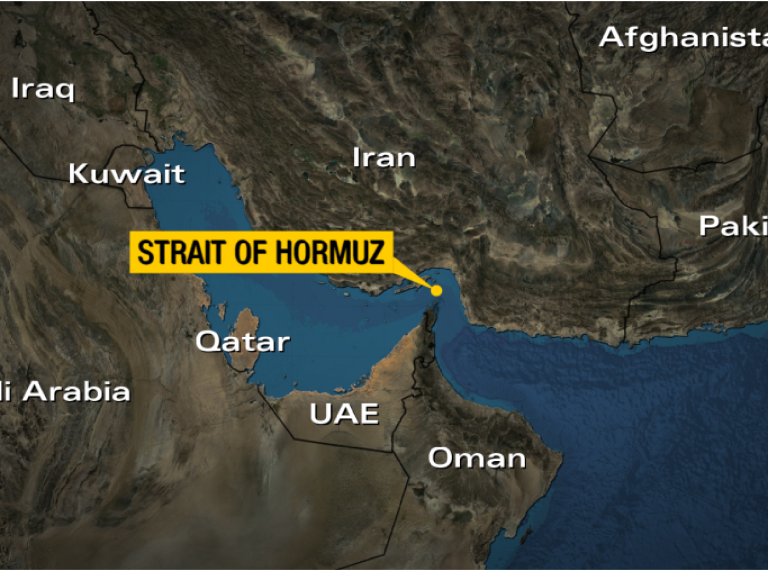
Crises often expose structural weaknesses in economies, and this is clearly evident in the recent developments related to the disruption of maritime traffic in the Strait of Hormuz. This crisis has once again highlighted one of the most significant vulnerabilities in Iraq’s oil sector: its heavy dependence on a single route to move crude to global markets. With oil tanker movement through the Gulf disrupted, Iraq has found itself facing a clear dilemma. While geopolitical tensions have driven global oil prices higher, the country’s ability to benefit from these prices has been limited by logistical constraints on exports and its near-total dependence on the route through the Strait of Hormuz—especially after northern exports halted following the 2023 oil export crisis involving the Kurdistan Region. The impact is even greater in Iraq’s case, as the country’s economy relies almost entirely on oil revenues, which constitute the primary source of state income.
Production after
export stoppage
Iraq’s oil production under normal conditions reaches around 4.4 million barrels per day, according to OPEC commitments. However, the disruption of maritime traffic in the Gulf led to the suspension of a large portion of exports through southern ports. As a result, production fell to approximately 1.5–1.6 million barrels per day, enough to cover local refinery needs and electricity generation plants. Production was also reduced in several major oil fields due to difficulties in selling oil in global markets.
on the Gulf passage
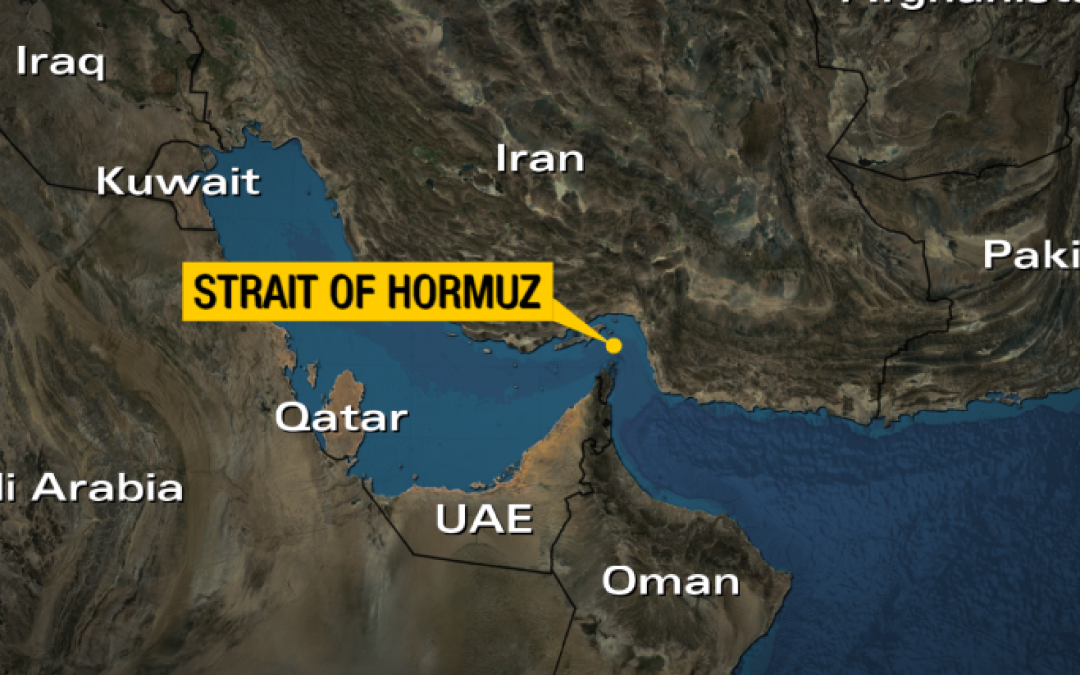
The vast majority of Iraq’s oil exports rely on the southern ports in Basra, where oil is loaded onto tankers that pass through the Gulf and then transit the Strait of Hormuz to reach global markets. About 20% of global oil trade passes through this strait, making it one of the most strategic energy passages in the world. Therefore, any military or security tension in the region can directly affect Iraq’s ability to export oil and its overall revenues.
oil export route
In earlier periods, Iraq owned a more diversified network of pipelines connecting its oil fields to various export outlets. However, wars and political conflicts over past decades led to the suspension of many of these routes.
1-
Kirkuk – Ceyhan Pipeline
The Kirkuk–Ceyhan pipeline is one of Iraq’s most important historical export outlets, transporting oil from the northern part of the country to the Turkish port of Ceyhan on the Mediterranean Sea. At certain periods, its capacity exceeded 1 million barrels per day. However, over the past two decades, this pipeline has faced multiple security and political challenges, including isis attacks into 2014 leading to its suspension or intermittent operation.
2-
Iraq–Saudi Pipeline
During the 1980s, Iraq built a pipeline reaching the Saudi port of Yanbu on the Red Sea with a capacity of approximately 1.6 million barrels per day. However, this pipeline was halted after the Gulf War in 1990 and has not returned to service since then.
3-
Iraq–Jordan Pipeline (Aqaba Project)
Among the projects proposed to reduce dependence on the Gulf, the Basra–Aqaba pipeline was planned to connect Iraq’s oil fields in southern Iraq to the Jordanian port of Aqaba on the Red Sea, with a capacity of around 1 million barrels per day.
However, the project has not yet been implemented due to challenges related to costs, financing, and security conditions. Currently, limited quantities of Iraqi oil are transported to Jordan via tankers at a rate of approximately 10–15 thousand barrels per day, which is very small compared to Iraq’s overall exports.
During the crisis with the Kurdistan Region and the halt of exports through the Gulf, the Iraqi government initially attempted to use the northern route via the Kurdistan Region to resume exports to Turkey. However, the Kurdistan Regional Government announced that it refused to open its pipelines to release exports before settling the dollar file and related financial disputes with Baghdad.
the Kurdistan Region
The Kirkuk–Turkey pipeline and northern export routes were not always linked to the Kurdistan Region, as there were multiple routes for Kirkuk oil exports.
The first route was the old Kirkuk–Ceyhan pipeline, which connected the fields directly to the international export line to Turkey. Iraq attempted to use this route to resume northern exports, but it suffered major damage during ISIS attacks in 2014, and since then it has remained non-operational due to security and technical issues.
The second route was the pipeline later used via the Kurdistan Region to transport oil to the Turkish port of Ceyhan on the Mediterranean. Since 2015, this route has become the only operational path for moving Kirkuk oil to global markets.
According to the Iraqi Ministry of Oil, the Kirkuk–Turkey pipeline is currently undergoing technical inspections and final commissioning operations and could be ready for operation within about a week to resume northern exports.
This crisis may push Iraq to diversify its oil export routes, but it remains uncertain whether the country will take lasting measures or return to its previous reliance on traditional channels once the conflict ends.
Official statements indicate that efforts are underway to study additional export routes, including the possibility of exporting through the Syrian port of Baniyas or via the Aqaba route to the Red Sea, as part of broader attempts to diversify Iraq’s oil outlets and reduce reliance on a single route.
Current developments highlight the extent to which Iraq’s economic stability depends on an organized oil export system and its related infrastructure. The key question for decision-makers and market actors is whether this crisis will actually accelerate the long-standing efforts to diversify export routes, or if reliance on southern ports and the Strait of Hormuz will resume once conditions stabilize.
In this context, pipeline developments, regional coordination, and alternative route projects remain important factors in assessing future trends for Iraq’s energy sector and their broader economic implications.